Hidden Costs of a Bathroom Remodel
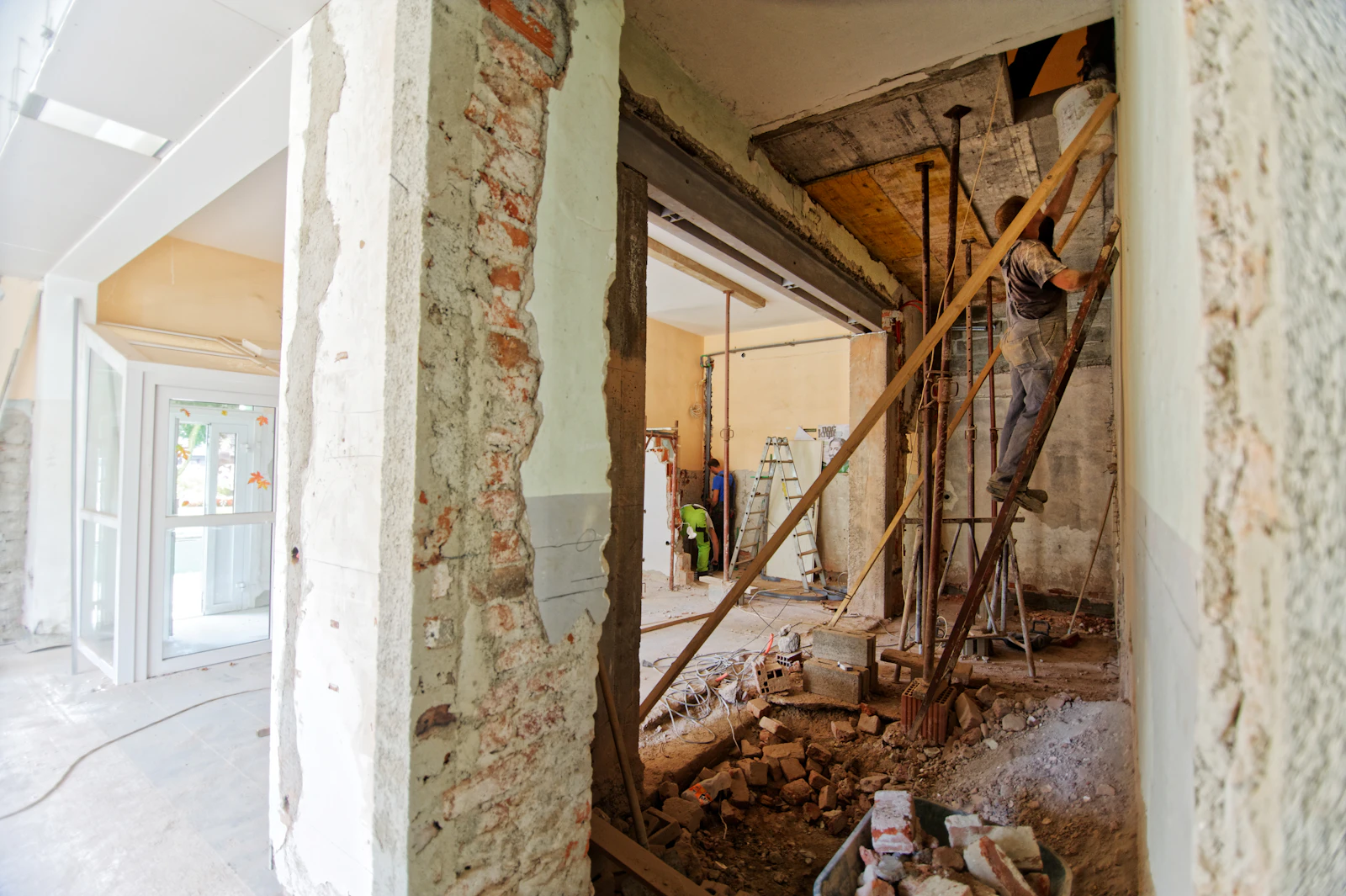
A full bathroom remodel typically costs $16,000–$22,000 for a standard 55 sq ft hall bath in 2026, at national-average prices — but the number on the quote is rarely the number you end up paying. Surprises found once the old tile and tub come out commonly add 10–20% to the final bill, and the most common one is water damage hiding behind the shower or under the floor.
This guide walks through the hidden costs that show up most often in bathroom remodels, what each one typically runs, and how to get it priced in writing before work starts. For a number based on your own bathroom size and finish level, use the bathroom remodel cost calculator.
How much do hidden costs add?
A remodel quote covers the work the contractor can see. The hidden costs are the work nobody can see until demolition starts. The table below shows the typical remodel cost for common bathroom sizes and the contingency worth holding back for surprises.
| Bathroom | Typical remodel cost | 10–20% contingency to hold back |
|---|---|---|
| Half bath / powder room (about 30 sq ft) | $9,100–$12,500 | $900–$2,500 |
| Full hall bath (about 55 sq ft) | $16,000–$22,000 | $1,600–$4,400 |
| Primary suite (about 110 sq ft) | $31,000–$42,500 | $3,100–$8,500 |
These ranges are national averages from our calculator and include labor, permits, disposal, sales tax, and a 10% contingency. Labor rates in your metro can move them 10–40% either way; see how we calculate costs. The contingency is not money you expect to spend — it is money you do not commit to fixtures and finishes until the walls are open and the surprises, if any, are priced.
Rotted subfloor and water damage behind the shower
This is the surprise that shows up most. A shower or tub that leaked slowly for years rots the subfloor and sometimes the framing under it, and none of it is visible until the old fixtures and tile come out. Repairing a rotted section of subfloor typically runs $500–$2,500, depending on how much floor has to come up; if floor joists are damaged too, the repair can run $2,000–$5,000.
Ask the contractor to put a written price per sheet of subfloor replacement in the contract before work starts, so the extra cost is capped instead of negotiated mid-project while the bathroom is torn apart. If the contractor finds mold once the walls are open, remediation typically runs $500–$3,000 for a contained area. In homes built before 1978, old paint may contain lead, and homes built before the 1980s may have asbestos in some flooring or joint compound — testing typically runs $300–$800, and any abatement has to be handled by a licensed firm under EPA lead-safe rules.
Moving plumbing drains and fixtures
Keeping the toilet, shower, and sink where they are is the single biggest way to control a bathroom budget. Moving a fixture means moving its drain, and that usually means cutting into the floor or reworking the framing below it. Relocating one fixture typically adds $1,000–$3,000, and moving a toilet across the room can also mean a new vent stack through the roof.
Before you approve a new layout, ask for the plumbing move priced as its own line item, separate from the rest of the remodel, so you can see what the layout change actually costs. If the number is more than the new layout is worth to you, keeping the existing layout is a legitimate choice — it changes nothing about the quality of the finished bathroom.
Electrical work the quote skipped
Older bathrooms often run on a single 15-amp circuit with no GFCI protection and no spare capacity. A full remodel usually needs GFCI-protected outlets, a dedicated 20-amp circuit for the bathroom, and possibly a dedicated circuit for a heated floor or a high-draw fixture. Adding that electrical work typically runs $300–$1,500, depending on how far the panel is and whether there is room in it.
A heated floor adds its own electrical line item: the thermostat and sensor kit typically runs $700–$1,400 and needs a dedicated 15-amp circuit run back to the panel. Electrical work should be done by a licensed electrician, and the permit and inspection for it should be in the quote, not added later. For a sense of what electrical work costs on its own, see How Much Does an Electrician Cost?.
Waterproofing and the shower curb
A tiled shower fails from the inside out. The waterproofing layer behind the tile — a system such as Schluter, Hydro Ban, or RedGard — is what keeps water out of the wall, and the curb is the most common failure point: a curb liner nailed in the wrong place can start leaking within two years. Redoing a failed curb or shower pan typically runs $500–$1,200, and that is before the tile that has to be torn out to reach it.
Make sure the quote names the waterproofing system by brand and states that the shower will be flood-tested before tile goes on. A flood test takes a day and costs almost nothing; skipping it is how a new shower turns into a repair job two years later. If the quote just says "waterproofing included" with no system named, ask for the detail in writing.
Venting the exhaust fan outside
An exhaust fan that vents into the attic instead of outside is a shortcut that causes mold in the roof framing — and it is still found in plenty of remodels. Proper ducting to the exterior typically runs $400–$800, including the duct run and the exterior vent cap.
Check that the quote lists the fan's CFM rating and confirms exterior venting, not just "new exhaust fan". The fan should be sized to the room (roughly 1 CFM per square foot of bathroom) and ducted with smooth rigid duct where possible, since flexible duct sags and traps moisture.
Permit fees, inspections, and disposal
Most cities require a plumbing and electrical permit for a full bathroom remodel, and the fees are often left out of the quote. Permit fees typically run $200–$1,000 depending on the city and the scope, and inspections can add days to the schedule if they are not booked in advance. Check with your local building department before work starts rather than finding out at the final inspection.
Disposal is the other line item to confirm. Tearing out a cast-iron tub, a tile floor, and a vanity fills a surprising amount of dumpster space. The benchmark ranges include haul-away, but not every quote does — ask whether demolition debris, the old tub, and the old fixtures are included, and get it in writing. For the full picture of what a remodel should cost, read How Much Does a Bathroom Remodel Cost?.
Allowances that don't cover what you pick
Many quotes include allowances — a set dollar amount for tile, fixtures, and the vanity — and the allowance is often set low. A quote might allow $5 per sq ft for tile when the tile you actually want costs $10–$25 per sq ft. On a 55 sq ft bathroom that difference alone can add $500–$1,500 or more, and the same gap applies to the vanity top, faucet, and shower fixtures.
Before you sign, get every allowance amount in writing and price your actual selections against them. If the tile, vanity, and fixtures you want cost more than the allowances, the difference is a change order waiting to happen. The per-square-foot guide, Bathroom Remodel Cost Per Square Foot, shows how finish level moves the total.
How to protect your budget
The fix for hidden costs is not a bigger quote — it is a quote written so the surprises have a price before they happen. Hold back a 10–20% contingency in a separate pot and do not spend it on fixtures until demolition is done. Ask for a line-item quote that names the waterproofing system, lists permit fees and haul-away, states the exhaust fan venting route, and shows a per-sheet price for subfloor replacement. Get every allowance in writing and price your actual selections against it.
Then compare quotes on the same scope. Two quotes that differ by thousands of dollars usually differ in what they include, not in honesty. Paste each one into the Quote Checker to see what is missing before you sign, and get any change order in writing with a price before the extra work starts.
Frequently asked questions
How much extra should I budget for hidden costs in a bathroom remodel?
What is the most common hidden cost in a bathroom remodel?
Do I need a permit for a bathroom remodel?
Can I keep costs down by keeping the same bathroom layout?
How do I know if a bathroom remodel quote is complete?
More cost guides
 Hidden Costs
 of Building a Deck
Demolition, footings, flashing, railing, permits — the costs a deck quote leaves out, what each typically runs, and how to get them priced in writing.
Read guide → Hidden Costs
 of HVAC Replacement
Ductwork, electrical upgrades, line sets, permits, and testing can add thousands to your HVAC quote. Here is what each one costs and how to get it priced in writing before you sign.
Read guide → Hidden Costs
 of Roof Replacement
The quote is rarely the final bill. These are the extras roofers find once the old shingles come off — and how to get each one priced in writing before work starts.
Read guide →