How to Measure Your Roof for a Replacement Quote
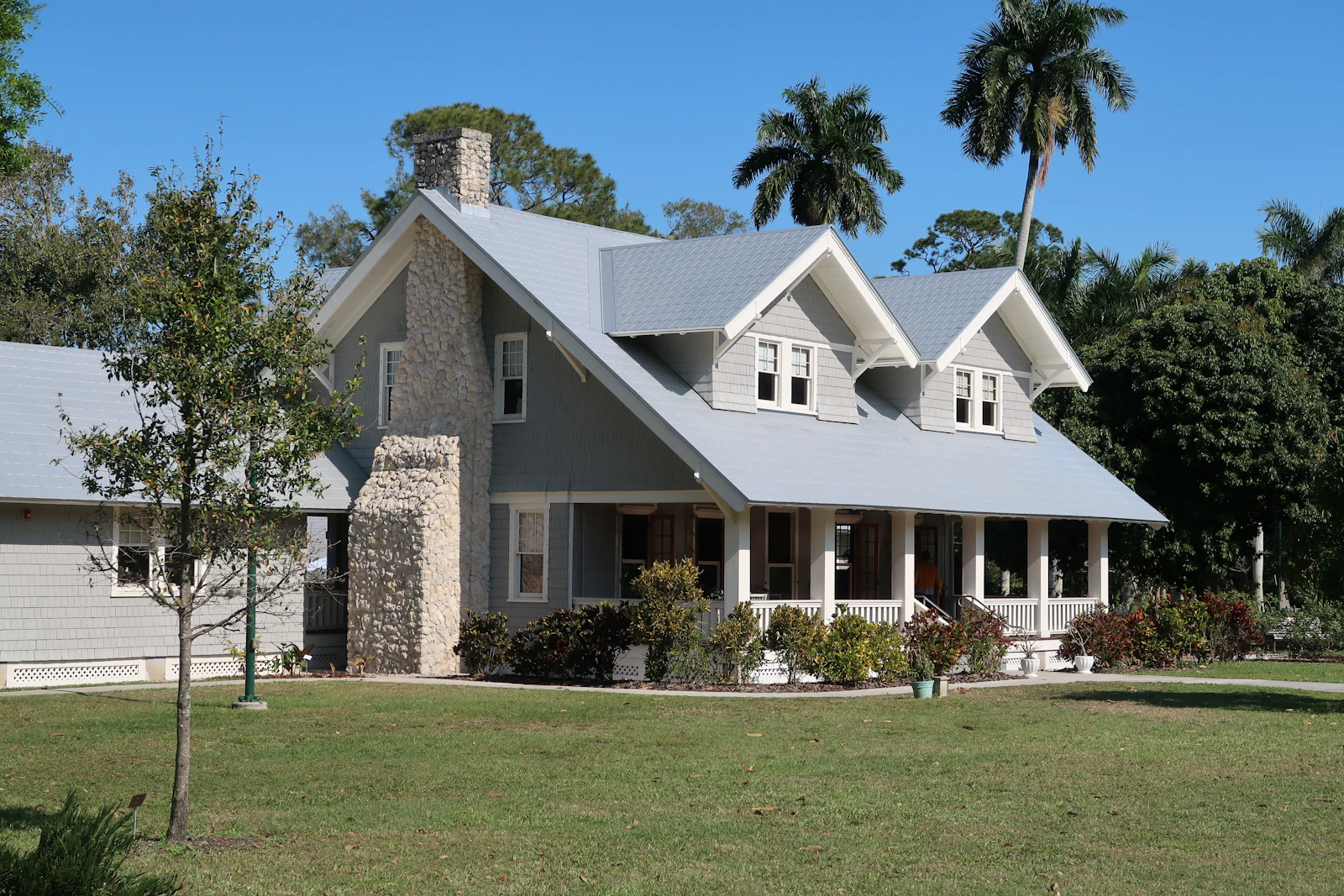
Roofers quote by the "square" — one square equals 100 square feet of roof surface. Before you collect estimates, measuring your own roof lets you check whether a quote is in the right ballpark and keeps material orders honest. With a tape measure, a ladder, and about an hour, most homeowners can get within 5% of the true figure.
Planning to replace the roof too? See the national-baseline figures in our roof replacement cost guide, or skip the math with the roof geometry tool.
What you'll need
- 25- or 30-foot tape measure
- Sturdy ladder and a helper
- Pencil, paper, or a phone notes app
- A 2-foot level and a tape measure (for pitch)
Step 1: Measure each roof plane from the ground or eave
Don't climb onto the roof. Measure the length and width of each rectangular plane from a ladder at the eave. Record every plane separately — most roofs have 2 to 6.
| Measurement | How to take it |
|---|---|
| Plane length | Eave edge, end to end, in feet |
| Plane width | Eave up to ridge (slope distance), in feet |
| Count | Number of identical planes |
Multiply length × width for each plane and add them together. That gives you the flat footprint area.
Step 2: Find your roof's pitch
Pitch is the rise over a 12-inch run. Hold a 2-foot level horizontally against the underside of the roof deck in the attic (or at the rake edge from a ladder), measure 12 inches out from the deck, and read the vertical drop.
| Pitch (rise/12) | Slope factor (multiplier) |
|---|---|
| 4/12 | 1.054 |
| 6/12 | 1.118 |
| 8/12 | 1.202 |
| 10/12 | 1.302 |
| 12/12 | 1.414 |
Multiply your footprint area by the slope factor. A 1,500 sq ft footprint on a 6/12 roof becomes about 1,677 sq ft of roof surface.
Step 3: Convert to squares and add waste
Divide the adjusted area by 100 to get squares, then add a waste factor. Cut roofs with hips, valleys, and dormers need more.
| Roof shape | Typical waste factor |
|---|---|
| Simple gable | 10% |
| Hip roof | 12–15% |
| Complex / cut-up | 15–20% |
Example: 1,677 sq ft ÷ 100 = 16.8 squares → × 1.10 = ~18.5 squares. Order 19 squares of material.
What drives measurement accuracy (and quotes)
- Overhangs: eaves typically extend 12–24 inches past the wall — include them or you'll undercount by 5–10%.
- Dormers and valleys: measure these small planes individually; they add surface and waste.
- Two-story drops: upper roof planes that drain onto lower ones need extra starter and flashing material.
- Satellite imagery estimates: many contractors use aerial measurement services. Your hand measurement should land within about 5% — bigger gaps are worth asking about.
Typical professional measurement costs (national baseline)
| Service | Typical range |
|---|---|
| DIY (your time) | $0 |
| Aerial measurement report | $15–$50 per report |
| Contractor on-site measurement | Usually free with an estimate |
If a contractor charges a standalone measurement or "inspection" fee above $75 without a written report, get a second quote.
Get a personalized estimate
Plug your measurements into the roof geometry tool to convert planes and pitch into squares automatically, then compare your figure against the national baseline in our roof replacement cost guide before the first contractor arrives.
Bottom line
Measure each plane, multiply by the pitch factor, convert to squares, and add 10–20% waste. An hour with a tape measure gives you a number accurate enough to sanity-check every roofing quote you receive.
More cost guides
 Comparisons
Tankless vs Traditional Water Heater: Cost Comparison (2026 Guide)
A traditional tank water heater costs far less up front, but tankless units last twice as long and cut energy use. Here's how the numbers actually compare.
Read guide → Cost Guides
How Much Does an Electrical Panel Upgrade Cost? (2026 Guide)
Most 100- to 200-amp service upgrades land between $1,500 and $4,000 installed. Here's what drives the price and the surcharges quotes often leave out.
Read guide → Contractor Pricing
How Much Does an Electrician Cost? (2026 Contractor Rates)
Most homeowners pay $50-$130 an hour for a licensed electrician in 2026, with typical jobs landing between $163 and $538. Here's how electricians price their work and how to compare quotes fairly.
Read guide →